
By Carol Goodman Kaufman / Special to the BJV
Even though the long, hot summer has passed, I’m still pondering the successes and failures of my garden — and already thinking about next summer. Alas, this year was one for the books — and not in a good one called Guinness. Despite adopting the Israeli invention of drip irrigation to counter the season’s persistent drought, I was only able to coax four zucchini out of two plants. Now, as anybody who has ever cultivated this squash knows, the average home garden usually yields so many zucchini that we joke about dumping our extras on a neighbor’s porch and running away. My experience has given me renewed respect for farmers everywhere, and particularly those who cultivate in desert areas.
Ironically, the same heat that made my zucchini wither and die also enabled a good crop of tomatoes and eggplant. Unfortunately, as a result of gardening, I’ve discovered that I can no longer tolerate the hard, flavorless supermarket variety of tomatoes. I’ve resigned myself to the long wait for next summer.
But what made this past summer gardening season most unusual was the secret garden.
Secret garden? As in the wonderful book by Frances Hodgson Burnett? No, I mean the patch of amazing surprises that cropped up in the back corner of my yard. And it was all thanks to garbage.
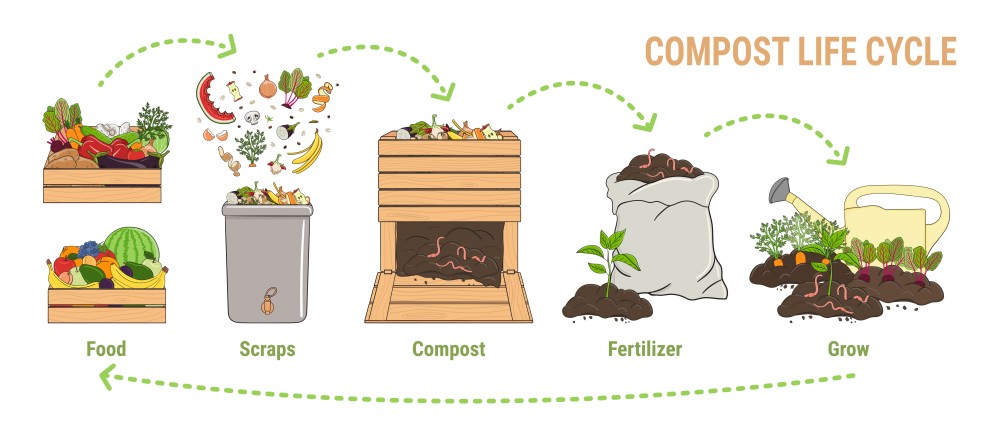
Let me explain. We bring all our vegetative garbage to the compost bin. Ours has a little door at the bottom, through which we must scrape out the loam that has resulted from months of decomposition. The bin proved difficult to use, requiring us (that is, Joel) to get down on the ground and poke at the soil through the tiny opening. Dismissing that process as ridiculous, Joel picked the bin up and set it down a few feet away. He then shoveled the pile of earth into a wheelbarrow and wheeled it to the regular, not secret, vegetable garden, where he deposited it.
He obviously didn’t get everything scooped up because this year we discovered an amazing treasure in the area surrounding the bin: Under a cover of lush green foliage — and hanging from one tree branch — we found ten butternut squashes, ranging in weight from five to nine pounds each. We also harvested close to three hundred tomatoes representing red, yellow, orange, and chocolate cherry varieties.
And because the weather continued to be warm, we reaped the vegetable rewards through October.
Puzzle #1: I placed the compost bin in a corner of the yard behind a stand of evergreens because I didn’t really want to look at it — or at the swarms of fruit flies congregating near it. But situated where it was, no sun couldn’t reach it. So, how did the tomato and squash seeds in the compost bin manage to survive months of harsh New England winter cold? Was the heat generated in the decomposition process enough to help the seeds not only survive, but thrive?
Puzzle #2: Like the compost bin, this auxiliary garden is hidden behind the evergreens, so no sun reaches it. Adding to the conundrum, I didn’t water back there, so, how did the veggies grow? Was the rich composted soil enough?
As readers of this column know, I like to experiment. I’ve chronicled my 25-year-long attempt to grow an etrog tree. In a glass of water on my kitchen windowsill I’ve grown celery and from roots. So, it occurred to me that perhaps I could grow tomatoes in the house, not simply to start ahead of planting season. After all, we have a sunroom with a southeastern exposure. (That’s where the etrog sits.) So, I scooped the seeds from three yellow cherry tomatoes (the most delicious variety) and planted them in organic potting soil. Within a week they sprouted. Of course, I should have done this in August so that we would have a continuous supply of the yummy little treats. At this point we probably won’t get a crop until February. But if this experiment succeeds, I will have a new routine to our cycle.
So, why bother to get seedlings from the nursery? I think I may just roll the dice and rely on my garbage to give us a fabulous bounty of scrumptious veggies.
Next project: Getting zucchini and eggplant to grow from the kitchen garbage. Along with their tomato cousins, we could have a wonderful ratatouille.
Butternut Squash Soup
Ingredients:
2 c. thinly sliced leeks (rinse these thoroughly, as leeks tend to hide lots of dirt in their folds)
1 c. thinly sliced celery
4 T. butter
2 lbs. butternut squash, peeled and cut into 1-inch cubes
1 bay leaf
4 c. pareve broth (I like the “chicken” flavor)
Toasted pumpkin seeds
Directions:
In a large saucepan, sauté the leeks and celery in the butter.
When the veggies are tender, add the squash, bay leaf, and the stock.
Cover and simmer 40 minutes.
Remove the bay leaf.
Puree and reheat.
Sprinkle the toasted seeds on top of each serving.
Carol Goodman Kaufman, has just published her second mystery book, Crak, Bam, Dead: Mah Jong Mayhem (Next Chapter Press). The collection of cozy mystery short stories features food writer/ aspiring investigative reporter Kiki Coben and her Mah Jong group as they follow clues from a “Black Widow” murder at sea to a suspicious death at a senior home charity event. Armed with a curious mind and her formidable group of friends, Kiki is ready to prove that the only thing you need to catch a killer is persistence – and maybe just a little bit of luck.