
Traveling With Jewish Taste
By Carol Goodman Kaufman / Special to the BJV
During my first week as a volunteer at Kibbutz Malkia, I set off with my bunkmates to explore the area. Set high upon a mountain, the kibbutz air was clear and the view spectacular. An optical illusion made the mountains of Lebanon appear much closer than they actually were, but warning signs along the border fences told us they were close enough.
On our walk we found trees heavy with ripe figs and apples, remnants of an old Arab village, and rusty military trenches.
And sabras.
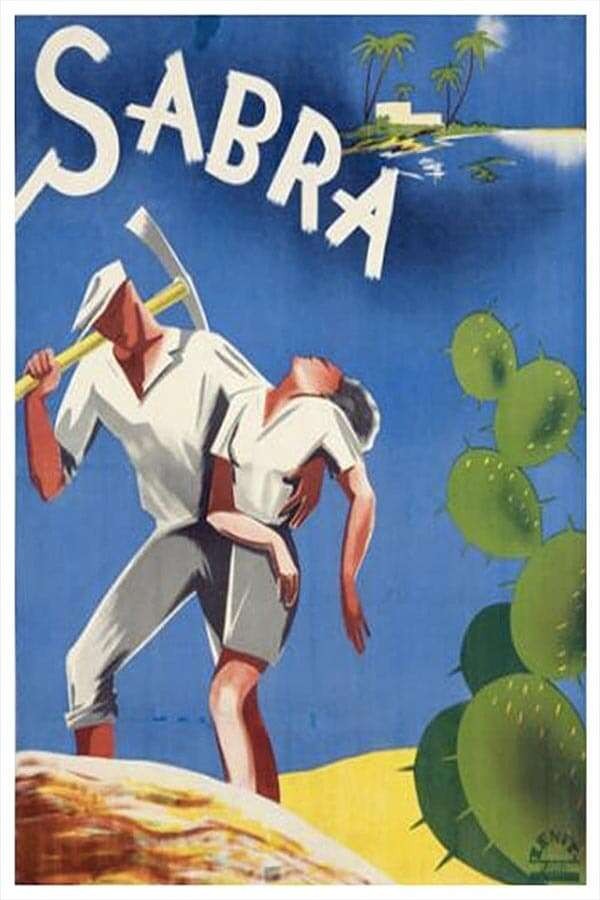
Halutzim, the Jewish pioneers of 1930s Mandatory Palestine, chose the name tzabar (sabra) as a nickname for native-born Israelis. The plant from which the term takes its name has become the iconic symbol identifying the Israeli: prickly on the outside, sweet on the inside. Although I had learned the sobriquet numerous times, I had never actually set eyes on the plant.
I was about to learn a very important lesson.
I could easily see the large, hard thorns poking out of the sabra’s skin. Yes, I thought, that’s the “prickly on the outside.” What I couldn’t see were the tiny, hair-like prickles covering the fruit. So, it didn’t matter that I was careful while picking the berry because those little needles soon attacked my fingers. To my everlasting embarrassment, I tried to extract them with my teeth. This caused the miniscule spikes to assault my tongue.
Lesson learned. Just buy them in the market from the women who know how to harvest them.
The sabra plant, or prickly pear, is actually a cactus. Native to Mexico and the southern United States, it traveled back to Spain with explorers in the 16th century. They then then brought it from there to the Mediterranean where it was perfectly suited to the harsh conditions of climate and soil.
Bedouins brought the plant to Israel, where those sharp thorns served as natural fences and defenses against to predators and livestock rustlers. After the 1948 war, Palestinians planted them as property markers for depopulated or destroyed Palestinian villages.
The Arabic word sabr translates as patience or endurance. While some claim the name reflects the cactus’s ability to endure desert conditions, it is also a powerful symbol of Israeli endurance and resilience — both of the people and the land.
On a lighter note, I think it may also refer to the patience necessary to endure picking the fruit without injury (or embarrassment).
The berry of the sabra plant, in both yellow and red varieties, is sweet and juicy, and it is packed with vitamins and antioxidants. Pureed and seeded, the fruit can be used in everything from cocktails to jams to sorbet.
Sabra Sorbet
Cactus pears, as sabras are known in America, are available in supermarkets.
Ingredients:
2½ lbs. fresh prickly pears (about 7 to 9 fruits), peeled and chopped
½ cup sugar
½ cup water
2 T. lemon juice
A pinch of salt
Instructions:
Make simple syrup: Combine the sugar, water, and salt in a small saucepan over medium heat until the sugar completely dissolves. Let it cool.
Blend the fruit: Place the chopped prickly pear flesh into a blender and pulse until smooth.
Strain the mixture: Pour the blended fruit through a fine-mesh sieve into a bowl to remove all the tiny, hard seeds. Discard the seeds.
Combine: Stir the cooled simple syrup and lemon juice into the strained prickly pear juice.
Transfer the mixture to a metal loaf pan and freeze it for 2 to 4 hours, less if you like soft-serve.
IMAGE: Sabra is a 1933 Polish film about Jewish pioneers in Mandatory Palestine and the challenges they face settling the land and cohabitating with their Arab neighbors. It is considered the first talking film created in Israel.
Carol Goodman Kaufman, has just published her second mystery book, Crak, Bam, Dead: Mah Jong Mayhem (Next Chapter Press). The collection of cozy mystery short stories features food writer/ aspiring investigative reporter Kiki Coben and her Mah Jong group as they follow clues from a “Black Widow” murder at sea to a suspicious death at a senior home charity event. Armed with a curious mind and her formidable group of friends, Kiki is ready to prove that the only thing you need to catch a killer is persistence – and maybe just a little bit of luck.